
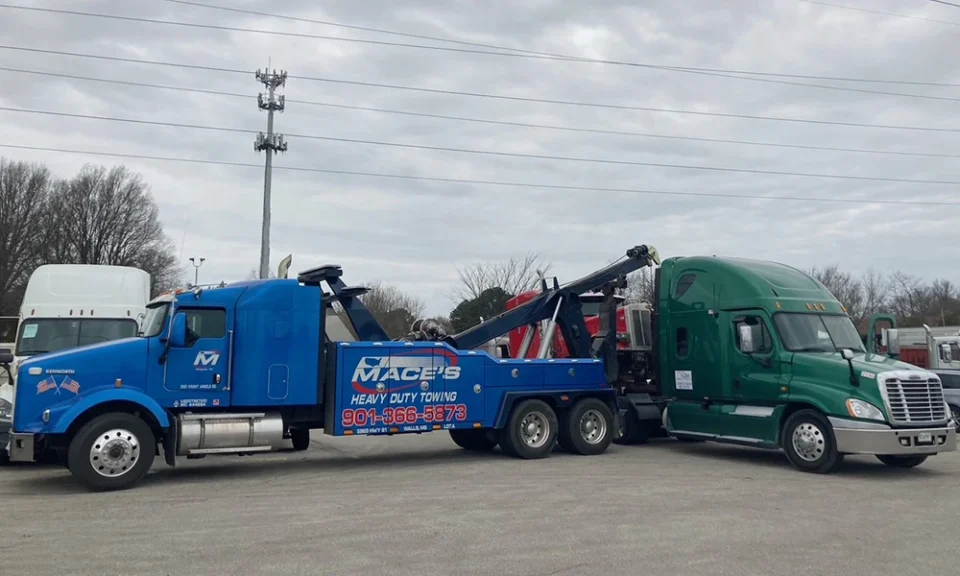
Private property towing operates under specific legal frameworks protecting vehicle owners from unauthorised removal. State and local regulations govern signage requirements, notification procedures, and fee limitations. towing service operators working on private properties must follow strict compliance standards preventing unlawful removal practices that expose property managers and towing companies to legal liability.
Signage posting requirements
Posted signs must follow specific size, placement, and content standards before towing authorisation becomes legally valid. The signs must meet minimum dimensions set by state regulations, so they remain clearly visible to drivers entering the property. Content must include towing company contact information, storage facility location, and fee schedules, warning drivers before violations occur. Placement regulations specify maximum distances from property entrances and spacing between signs throughout parking areas. Inadequate signage invalidates towing authorisation, exposing property owners and towing operators to vehicle return demands and potential legal claims from removed vehicle owners disputing tow legitimacy.
Property owner authorisation
Written agreements between property owners and towing companies provide clear legal permission for vehicle removal operations. In most areas, verbal approval does not meet regulatory standards and cannot support enforcement action. The contract outlines the specific violations that justify removal and identifies the approved towing zones on the property. It also defines the procedures that operators are required to follow during each removal process to ensure compliance. Property managers signing authorisation agreements accept responsibility for ensuring proper signage installation and maintaining current contracts. Blanket authorisation without specific violation criteria creates legal exposure when removed vehicle owners challenge the tow’s legitimacy. Authorisation documentation must remain accessible for inspection by law enforcement investigating disputed tows requiring quick verification of removal legitimacy.
Vehicle owner notification
- Law enforcement notification requirements mandate towing companies report removed vehicles to police databases within specified timeframes after removal completion.
- Storage facility contact information must be provided to vehicle owners through multiple accessible channels, including phone and physical address.
- Hold periods before selling or disposing of abandoned vehicles range from thirty to ninety days, depending on jurisdiction regulations.
- Written notices mailed to registered vehicle owners inform them of towing and storage locations when operators cannot reach owners directly.
- Police report filing requirements create official records protecting towing operators from stolen vehicle claims when owners report vehicles missing after removal.
Fee regulation compliance
- Maximum towing fees are established through state or municipal rate schedules, preventing excessive charges beyond regulated amounts.
- Storage fees accrue daily at regulated rates with caps limiting total charges accumulating during extended storage periods.
- After-hours release fees require separate regulatory authorisation before operators can charge premiums for nighttime or weekend vehicle releases.
- Itemised billing requirements mandate detailed written receipts showing all individual charges before owners pay for vehicle release.
- Credit card acceptance requirements in many jurisdictions prevent operators from demanding cash-only payments, which disadvantages vehicle owners needing immediate access.
- Fee dispute resolution procedures provide vehicle owners with formal complaint channels when operators charge amounts exceeding the regulated maximums.
Private property towing regulations cover mandatory signage standards establishing removal authorisation, written contract requirements between property owners and operators, vehicle owner notification procedures creating transparency after removal, and fee schedule compliance, preventing excessive charges that exploit stranded vehicle owners needing quick access to their property.
